
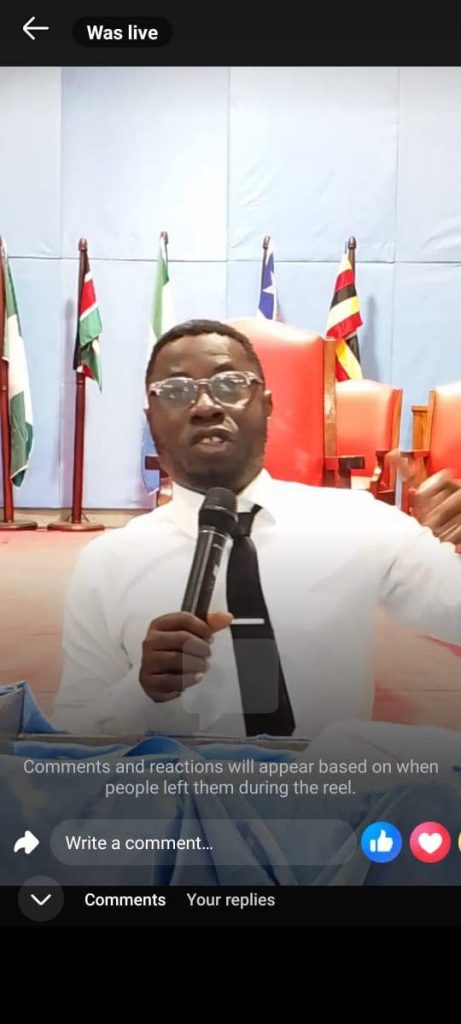
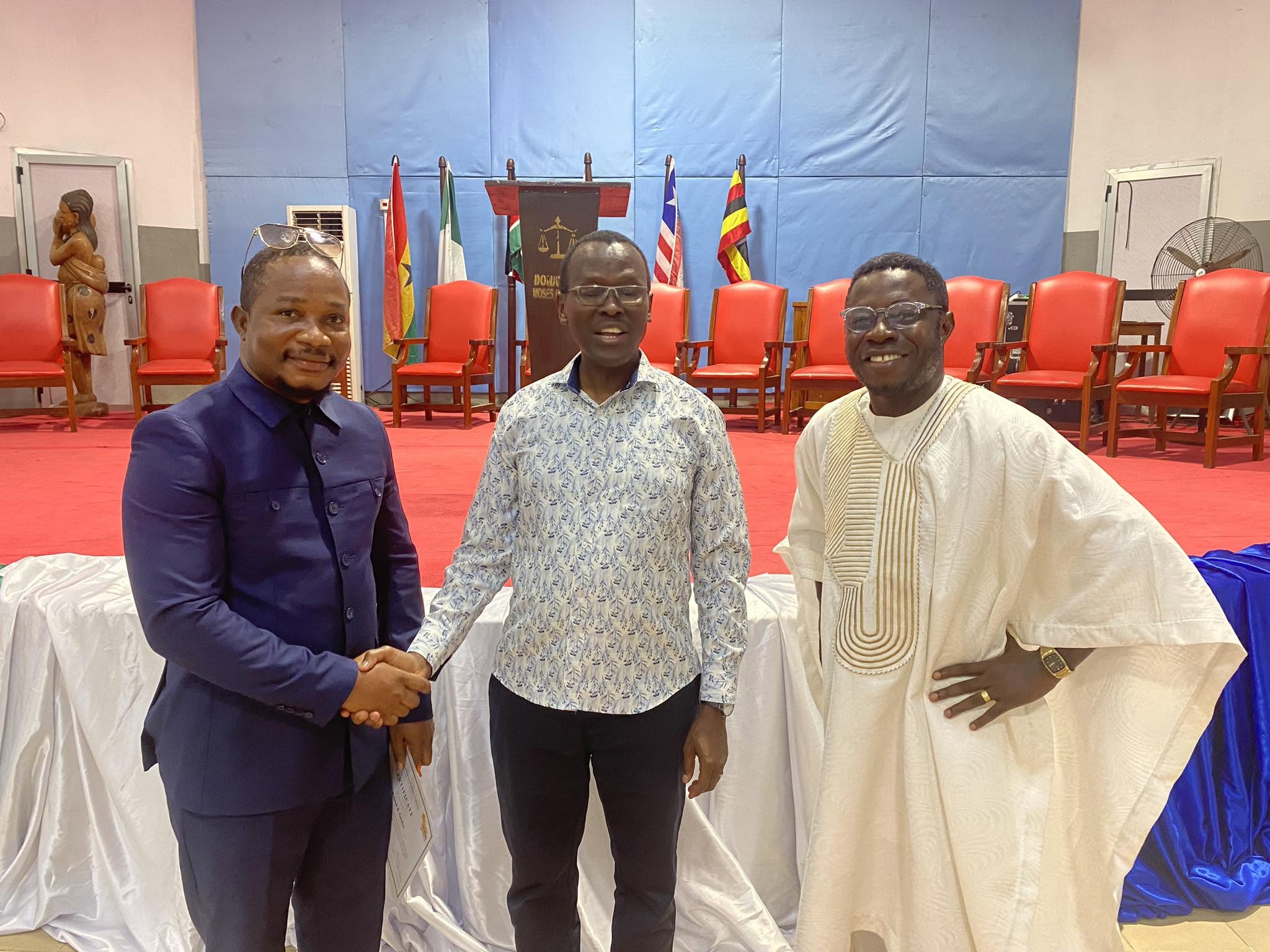
Today, I presented “Donor Funding, Educational Quality, and Institutional Sustainability: The USAID TESTS Experience at LICOSESS College of Education in Liberia” at the Consortium of African Universities 11th International Interdisciplinary Conference held at the University of Makeni in Sierra Leone.
I shared LICOSESS’s achievements, the challenges following the withdrawal of USAID financing, and lessons for sustaining teacher education.
The financing discussion deserves national attention. The budget figures available to us indicate US$3.13 million allocated in 2026 to Zorzor, Webbo, and Kakata Rural Teacher Training Institutes. Published reports of their 2026 graduation ceremonies identify 263 graduates combined. During the same calendar year, LICOSESS graduated 840 (affected) USAID TESTS scholarship beneficiaries in April, according to our institutional records, while receiving no government operating subsidy.
Although these figures highlight LICOSESS’s contribution, it was important to highlight fair interpretation: budget allocations are not confirmed expenditure, and graduation counts alone do not measure quality, efficiency, or the full services institutions provide since the programmes and qualifications also differ. Our public teacher-training institutes remain essential partners in Liberia’s development and deserve even bigger support
The paper recommends government partnership that recognises the contribution of accredited non-state teacher-education institutions through dialogue on transparent subsidy criteria, scholarship partnerships, and support linked to verified enrolment, completion, quality standards, and service to underserved communities.
A pressing priority is resolving (with the government) the US$304,700 in unpaid TESTS scholarship tuition and academic fees since 2025 (towards the 1,080 students affected by the withdrawal) as no payment had been received as of our October 2026 reporting date.
Relying on the human capital theory and resource dependency theories, the paper also calls for institutions to strengthen their own sustainability through diversified revenue, responsibly managed income-generating activities, reserves, sound financial governance, and clear communication with students and staff. Donor agreements should provide realistic transition financing and protect students already enrolled when funding ends.
Liberia needs a sustainable teacher-education system in which government, donors, and accredited institutions share responsibility for preparing the teachers our children deserve. LICOSESS stands ready to contribute its experience, records, and institutional capacity to that partnership.
— Dr. Benjamin Yele Wehye
President, LICOSESS College of Education
References:  Graduation reports: FrontPageAfrica—Kakata, July 8, 2026; Liberia News Agency—Webbo, June 28, 2026; In Profile Daily—Zorzor, July 15, 2026. LICOSESS figures: institutional records. Budget figures: supplied for the conference analysis. Pfeffer, J., & Salancik, G. R. (1978). The external control of organizations: A resource dependence perspective. Harper & Row. Becker, G. S. (1964). Human capital: A theoretical and empirical analysis, with special reference to education. National Bureau of Economic Research